The Pricing Gravity of AI: When $900B Valuations Meet Token Reality

Anthropic scale and Claude Code efficiency tips.
3 min read · 537 words
The Pricing Gravity of AI: When $900B Valuations Meet Token Reality
Anthropic is in talks for a $30B funding round at a $900B valuation. Read that again. Nine. Hundred. Billion. For a company most engineers dismissed as "the other Claude" three years ago.
And here's the number that actually matters: Claude Code hit $2.5B in annualized revenue. Not projected. Not theoretical. PwC is rolling it out globally. The Big Four don't gamble with client deliverables on hype.
Why This Scale Changes Everything
There's a force I keep thinking about — pricing gravity. When a company reaches this scale, the economics warp. Infrastructure costs get amortized across so many users that the per-seat economics become almost absurd. What cost $15/month to run in 2024 costs $3/month in 2026. Not because the model got cheaper. Because the scale made it cheaper.
That's the real story. Not the valuation. Not the headline. The gravity well that pulls every competitor's pricing structure toward zero while the moat widens.
Continue Reading
Two Moves That Cut My Token Bill in Half
I run Claude Code daily — for real code, not demos. Two things slash my costs without sacrificing capability:
1. /compact — 80% context reduction. One command. Your bloated 200K context session collapses to 40K. Same project knowledge, fraction of the tokens. I run it mid-session now, not just at the start. It's like garbage collection for your AI workflow.
2. .claudeignore — 30-50% token savings. You know that node_modules folder? That dist/ directory? Claude Code reads them by default. Adding a .claudeignore file with those paths excluded is free money. Seriously — I cut a 350K token session down to 190K just by ignoring vendor/ and node_modules/.
Both are free. Both are immediate. Both are things most engineers don't bother with because they're not "real" engineering.
What This Means for AI Engineers
The pricing gravity is real, but it cuts both ways:
- If you're building: The cost floor keeps dropping. Build for scale now, because the economics will catch up.
- If you're consuming: Learn to optimize context.
/compactand.claudeignorearen't hacks — they're foundational practices. Treat them like you treatgitignore. - If you're leading: PwC going global with Claude Code is the signal. Enterprise adoption isn't coming. It's here. The question is whether your team knows how to use it efficiently.
The companies that figure out pricing gravity early — the ones who optimize context, ignore noise, and use compaction as a first-class workflow step — will have a structural cost advantage that compounds monthly.
The Uncomfortable Truth
Every AI tool I use daily is getting better and cheaper simultaneously. That's never happened in enterprise software before. Usually you get one or the other.
When Anthropic closes this round and pushes toward $1T, the compounding effect accelerates. More compute, more users, lower per-token costs, more adoption, more compute. It's a flywheel.
Your job isn't to resist it. It's to ride it — with a .claudeignore file, a /compact habit, and the discipline to treat token budgets like you treat memory budgets.
Because in a world of pricing gravity, the engineers who optimize win. And it costs nothing to start.
What's your context optimization strategy? Still running 200K token sessions raw? Drop me a line — I'm curious what's working for you.

Bashar Ayyash (Yabasha)
AI Systems Architect for regulated industries — evals, harness design, AI security.
Bashar Ayyash is an AI engineer and dev lead in Amman, Jordan. 20 years shipping software, 4 years inside a regulated bank building production RAG and agent systems with evals, guardrails and monitoring — in Arabic and English. He writes at yabasha.dev and builds open-source tooling for AI-assisted development.
Newsletter
Practical AI + full-stack insights for MENA builders. No spam.
Related Articles

Findable Is Not Chosen — and That Résumé Won't Save You

The $18K Ceiling Breaker: Skills That Actually Move Your Number

Why My AI Prompts Are 12 Words Long — And Yours Should Collapse Too
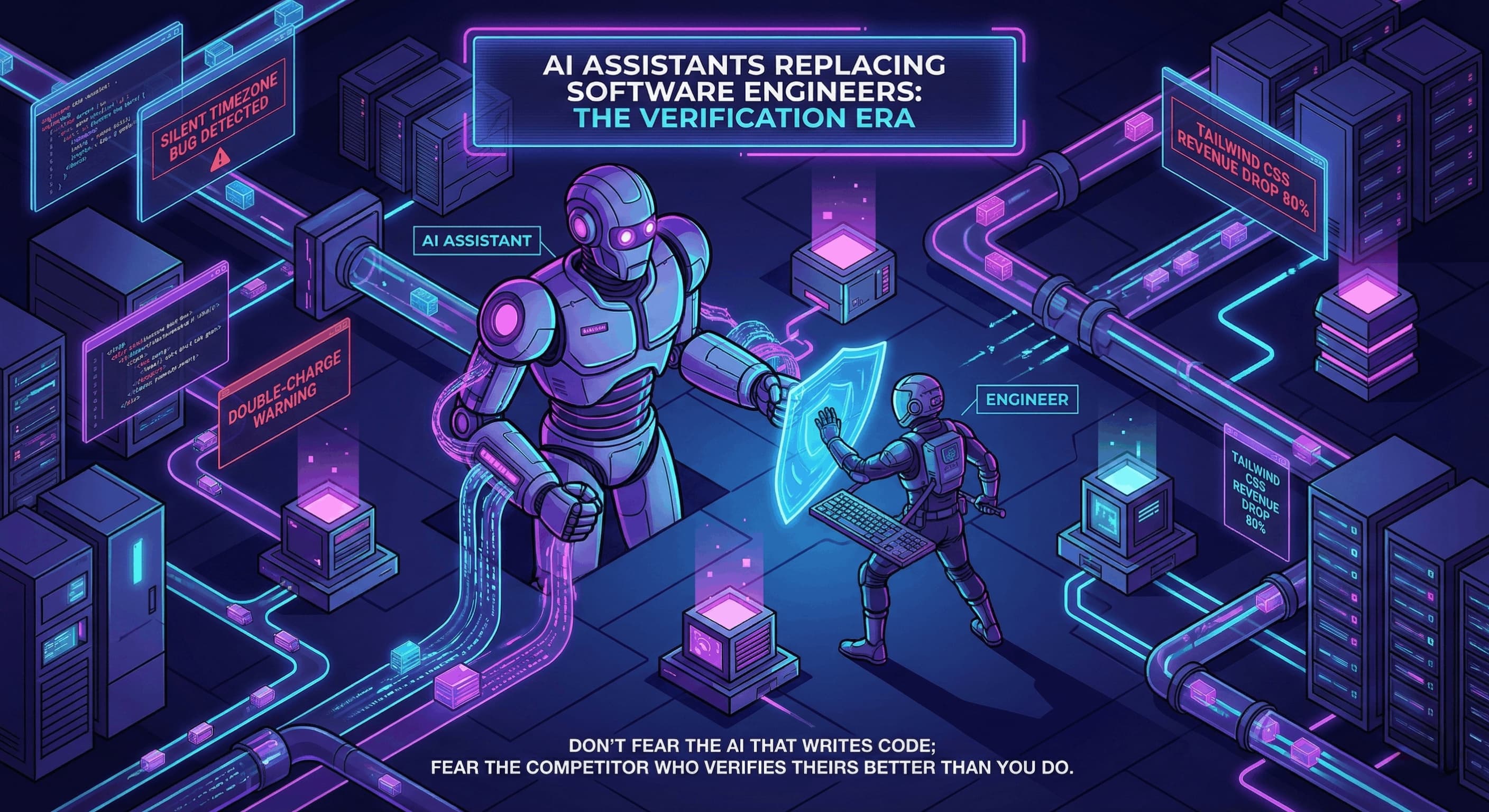
The Tailwind Tsunami: How a CSS Framework's Collapse Signals the End of Software Development as We Knew It
Read more on the blog
Browse the latest articles or explore the full archive.
AI Pricing & Open-Source Model Series
This post is part of a series on AI pricing and open-source model economics.
The Collapse of AI Pricing Gravity
Why open-source shattered unit economics by 90-95%
ReadThe Pricing Chasm
Chinese open-weight models vs Western AI cost analysis
ReadAI's $900B Week
Anthropic overtakes OpenAI, GitHub hacked, Copilot price bomb
ReadAnthropic's Power Move
Stainless acquisition, Claude Code limits, Mythos cyber shake-up
Read4 Models, 12 Days
Kimi K2.6, DeepSeek V4, GLM-5.1, MiniMax M2.7 benchmark showdown
Read